

Cold Plunging (Cold Exposure) Therapy Benefits: Myth vs Science
March 6, 2026Cold plunging, also known as cold exposure therapy, is becoming more popular. It’s used by athletes and wellness seekers alike. They find it helps improve their physical and mental health.
Jumping into cold water might seem scary. But studies show it can really boost our health. Some benefits are proven, while others are just stories, leading to a debate on cold therapy‘s true value.
This article will look into the health benefits of cold exposure. We’ll sort out what’s real and what’s not. By checking out the latest research, we’ll uncover the truth about cold plunging. This will give you a clear view if you’re thinking about trying it.
The Rise of Cold Exposure: From Ancient Practice to Modern Trend
Cold exposure has changed a lot over time. It’s not just a new trend; it has ancient roots. People have used cold for healing for thousands of years.
Historical Uses of Cold Therapy Across Cultures
Cold therapy has been used in many ways across cultures. The Greeks, Romans, and Egyptians used cold water for healing. They believed it could restore the body and mind.
Some of the historical uses include:
- Cold water therapy in ancient Greece and Rome
- Ice and snow for pain relief in traditional Chinese medicine
- Cryotherapy-like treatments in ancient Egypt
The Modern Cold Plunging Movement
Cold plunging has become very popular lately. People are learning about its benefits, like better circulation and clearer thinking. Now, you can find cold plunge tubs and cryotherapy chambers in gyms and wellness centers.
Celebrity Endorsements and Social Media Influence
Celebrities and social media have made cold plunging more popular. Stars and influencers share their cold exposure experiences online. They talk about how it helps with recovery, mental strength, and overall health.
For more info on cold exposure benefits and science, check out studies on scientific databases.
Science-Backed Benefits of Cold Exposure
Research shows that cold exposure can improve both physical and mental health. It’s a therapy that’s gaining attention for its many health benefits.
Improved Circulation and Cardiovascular Health
Cold exposure can boost circulation and heart health. When it gets cold, the body increases blood flow to keep warm.
Research on Blood Flow and Heart Health
Studies show cold exposure can improve blood flow and lower blood pressure. This helps the heart stay healthy by delivering oxygen and nutrients.
Vascular Adaptation Mechanisms
The body gets better at widening blood vessels with cold exposure. This is key for keeping blood vessels healthy.
Reduced Inflammation and Enhanced Recovery
Cold exposure can reduce inflammation, helping with recovery after exercise or injury. It’s important for keeping tissues healthy and aiding in recovery.
Effects on Post-Exercise Inflammation
Cold water immersion can lessen muscle soreness and inflammation after exercise. This is great for athletes and those who do a lot of physical activity.
Pain Reduction Mechanisms
Cold exposure can help with pain by reducing inflammation and changing how we feel pain. It’s used to manage chronic pain.
Mental Health and Cognitive Benefits
Cold exposure can improve mental health, including reducing stress and boosting mood. It triggers the release of neurotransmitters that help our mental well-being.
Stress Hormone Regulation
Cold showers can release neurotransmitters that help control stress hormones. This leads to feeling better and less stressed.
Mood Enhancement and Resilience Building
Regular cold exposure can make us feel happier and more resilient. It releases endorphins and other neurotransmitters that improve mood.
“Cold showers have been shown to have a profound effect on mental health, with many reporting improved mood and reduced symptoms of anxiety and depression.”
Metabolic Effects and Brown Fat Activation
Cold exposure can also affect metabolism by activating brown fat. Brown fat helps the body produce heat.
Adding cold exposure to your life can improve heart health, reduce inflammation, boost mental well-being, and increase metabolism. Always talk to a healthcare professional before starting a cold exposure program, especially if you have health conditions.
Debunking Common Cold Plunging Myths
Cold plunging is popular, but it’s filled with myths. Many think cold exposure is only for burning calories. It’s important to know the truth about its benefits.
Myth: Cold Plunging Burns Significant Calories
Many think cold plunging burns lots of calories. But, the calorie burn is actually small. The real benefit is in activating brown fat, which helps with heat production.
Myth: Longer Exposure Always Equals Better Results
Some think longer cold exposure is always better. But, exposure duration depends on your body and goals. It’s more about being consistent and adapting than just being longer.

Myth: Cold Exposure Is Universally Beneficial
Cold plunging has many benefits, but it’s not for everyone. Some health issues might make it risky. Always check your health before starting.
Myth: You Need Expensive Equipment to Benefit
Many believe you need expensive gear for cold plunging. But, simple things like cold showers or ice baths at home work well. They’re cheaper than cryotherapy chambers.
Knowing the truth about these myths helps you decide if cold plunging is right for you.
Cold Exposure Therapy Methods and Protocols
Cold exposure therapy isn’t for everyone. There are many methods to choose from. Your health goals, what you have available, and how you feel about it all play a part.
Ice Baths and Cold Plunges
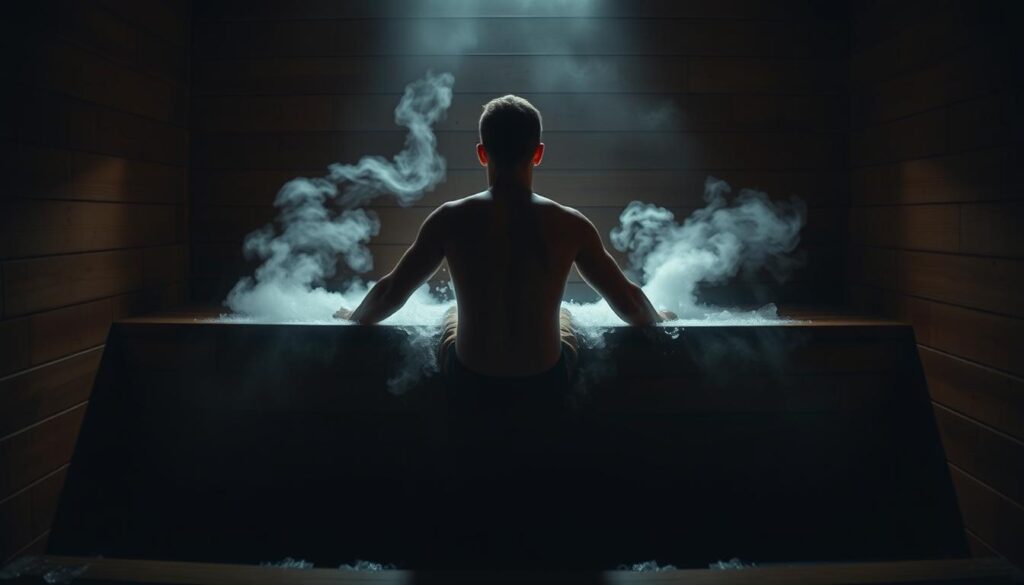
Ice baths and cold plunges are favorites for many. You soak your body in cold water. The best temperature is between 50°F to 55°F (10°C to 13°C). Sessions last from 5 to 15 minutes.
This method is great for reducing muscle inflammation and improving blood flow.
Cold Showers and Contrast Therapy
Cold showers are easier to do than ice baths. Contrast therapy, switching between hot and cold water, is also good. It helps with recovery and boosts your immune system.
Cold showers should be between 50°F to 55°F (10°C to 13°C).
Cryotherapy Chambers
Cryotherapy chambers are very cold, often below -200°F (-129°C). They’re used to reduce inflammation and aid in recovery. Sessions are short, lasting 2 to 3 minutes.
Outdoor Winter Swimming
Swimming in cold water outdoors is another way to do cold exposure. It’s a great challenge for your body and can be very refreshing. But, you must be careful and safe.
Optimal Duration and Temperature Guidelines
The right time and temperature for cold exposure vary. Start slow to avoid shock. Always talk to a healthcare professional before starting.
Getting Started with Cold Exposure Safely
When you start with cold exposure, safety and gradual adaptation are key. Cold exposure is beneficial but needs a careful approach to avoid harm.
Beginner’s Guide to Cold Adaptation
Cold adaptation makes your body more resilient to cold. To adapt safely, follow these steps:
Progressive Exposure Techniques
Begin with short exposure times and gradually increase them. Start with cold showers or brief ice baths. Then, extend the time as you get more comfortable.
Breathing Methods During Cold Exposure
Controlled breathing is vital during cold exposure. Practice deep, slow breaths. This helps manage shock and stay relaxed.
Equipment and Setup Options for Home Use
You don’t need expensive gear to start cold exposure at home. Try cold showers, ice packs, or a cold bathtub. For a deeper experience, consider a cold tub or cryotherapy unit.
Warning Signs and When to Stop
Know the warning signs to stop your cold exposure. Look out for excessive shivering, numbness, or discomfort. If you see these signs, stop and warm up slowly.
Medical Contraindications and Risk Factors
Some health conditions make cold exposure risky. It’s important to know these risks before starting.
Heart Conditions and Cold Exposure
People with heart conditions should talk to their doctor first. Cold exposure can be risky for them.
Other Health Concerns to Consider
Conditions like Raynaud’s disease, poor circulation, or certain neurological disorders may also be risks. Always check with a healthcare professional to see if it’s safe for you.
Harnessing the Power of Cold for Long-Term Wellness
Adding cold exposure therapy to your daily life can greatly improve your wellness. It’s important to know the science behind it and clear up myths. This way, you can use cold to boost your health.
Cold therapy is good for your heart, reduces swelling, and lifts your mood. It’s a lasting practice that fits into many lifestyles. This makes it easy for people to use it to get healthier.
To keep seeing health gains, make cold exposure a regular part of your routine. You can do this with cold showers, ice baths, or cryotherapy. Adding cold therapy to your wellness plan can lead to better physical and mental health.
Choosing cold exposure as a long-term habit can make you healthier and more resilient. As studies find more benefits, it’s clear cold therapy is key to modern wellness.