
Cycle Syncing Eating: Diet Tips Linked to Your Menstrual Cycle
February 28, 2026Learning how your diet affects your menstrual cycle can change your health and energy. By using cycle syncing nutrition, you can make your body work better. This improves your overall well-being.
Your diet should match your menstrual cycle phases. This way, your body gets the nutrients it needs when it needs them. It helps with women’s health and boosts your energy.
Following diet tips that match your cycle can bring big benefits. You might see better digestion and less PMS symptoms. This guide will show you how to make cycle syncing eating a part of your life.
Understanding the Connection Between Your Menstrual Cycle and Nutrition
Learning how your menstrual cycle affects your diet can change your health for the better. The link between your menstrual cycle and what you eat is tied to the changes in hormones. These changes happen throughout your cycle.
How Hormonal Fluctuations Affect Your Body
Hormonal shifts during your cycle change what your body needs. Estrogen and progesterone levels go up and down at different times. This affects how you metabolize food, your energy, and even your mood.
For example, estrogen’s rise in the follicular phase boosts your energy. But, the drop in estrogen and the rise in progesterone in the luteal phase can make you tired and crave certain foods.
Why One-Size-Fits-All Diets Often Fail Women
Generic diets don’t consider the unique hormonal changes women go through. A diet that works in one cycle phase might not work in another. Your calorie needs and nutrient needs can change.
Adjusting your diet to match your menstrual cycle can help manage symptoms and boost your health.
The Science Behind Cycle Syncing Nutrition
The idea of cycle syncing nutrition is about how hormones and metabolism work together. Hormones change a lot during the menstrual cycle. These changes affect how our body uses food and what nutrients we need.
Hormonal Changes Throughout Your Cycle
The menstrual cycle sees big changes in estrogen and progesterone levels. These changes affect more than just our reproductive health. For example, estrogen goes up in the first part of the cycle, and progesterone increases later. Knowing these changes helps us see how our diet needs to adjust.
How These Changes Impact Metabolism and Nutrient Needs
Hormone changes affect how we burn energy and what nutrients we need. For instance, more progesterone in the second part of the cycle can make us hungry and change how we metabolize food. Cycle syncing nutrition means eating in a way that matches these changes to keep us healthy.
| Phase | Hormonal Change | Nutritional Impact |
|---|---|---|
| Follicular Phase | Estrogen Increase | Higher energy levels, increased need for nutrient-dense foods |
| Luteal Phase | Progesterone Increase | Increased cravings, potential for water retention |
As
“The key to successful cycle syncing nutrition lies in understanding and responding to the body’s changing needs throughout the menstrual cycle.”
By choosing the right foods, we can meet our body’s needs better. This helps us stay healthy overall.
The Four Phases of Your Menstrual Cycle
To understand how to match your diet with your menstrual cycle, knowing the four phases is key. The menstrual cycle has four main parts: menstrual, follicular, ovulatory, and luteal. Each part has its own hormonal changes that affect the body differently.
Menstrual Phase (Day 1-5)
The menstrual phase starts with bleeding and lasts 3 to 7 days. It’s a time when the body sheds the uterine lining and hormone levels are low. It’s a time for renewal and replenishment. For more details, check out this resource.
Follicular Phase (Day 6-14)
The follicular phase comes after menstruation, with estrogen levels going up. This phase is full of energy and renewal. It’s best to eat light, fresh foods to meet the body’s energy needs.
Ovulatory Phase (Day 15-17)
The ovulatory phase is when estrogen peaks and ovulation happens. It’s a time of high energy and confidence. Eating foods that help with hormone balance is good for overall health.
Luteal Phase (Day 18-28)
In the luteal phase, progesterone levels go up, getting ready for pregnancy. If pregnancy doesn’t happen, hormone levels fall, starting a new cycle. This phase can bring PMS symptoms, and what you eat can help manage them.
Optimal Foods for Your Menstrual Phase
When you’re in your menstrual phase, it’s key to eat the right foods. These foods help ease symptoms and keep you healthy. They help replace lost iron, lessen cramps, and offer comfort without making symptoms worse.
Iron-Rich Foods to Replenish Blood Loss
Iron is important because of blood loss during your period. Make sure to eat red meat, spinach, lentils, and fortified cereals. Here are some iron-rich meal ideas:
- Grilled steak with roasted vegetables
- Spinach salad with lentils and citrus vinaigrette
- Oatmeal with fortified cereal and sliced banana
Anti-Inflammatory Foods to Reduce Cramping
Foods that fight inflammation can ease cramps. Eat foods rich in omega-3s like salmon and walnuts. Also, add turmeric and ginger to your meals for their anti-inflammatory benefits. Here are some soothing options:
- Ginger tea
- Salmon fillet with turmeric seasoning
- Walnut and spinach smoothie
Comfort Foods That Won’t Worsen Symptoms
Comfort foods can help with menstrual symptoms, but choose wisely. Go for complex carbohydrates like oatmeal or whole-grain toast. Avoid foods high in sugar or salt. Here are some comforting foods:
- Bowl of oatmeal with fruit
- Whole-grain toast with avocado
- Herbal tea with honey
Energizing Your Body During the Follicular Phase
As your body moves into the follicular phase, it’s key to eat the right foods. This phase, from day 6 to 14 of your cycle, sees estrogen levels rise. This boost brings more energy and a good feeling.
Light, Fresh Foods to Support Rising Energy
To boost your energy, eat light, fresh foods full of nutrients. Good options are:
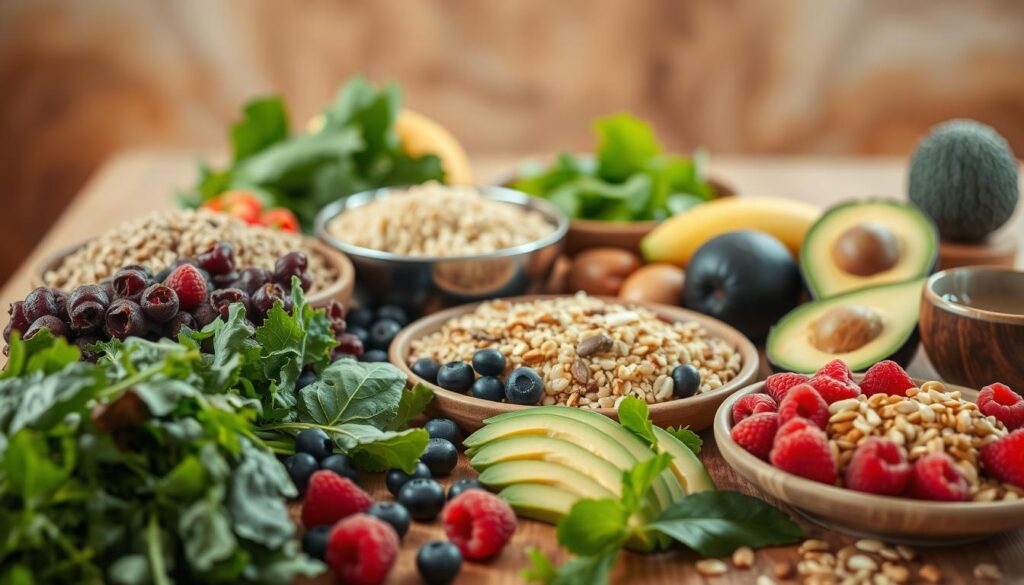
- Leafy greens like spinach and kale
- Crunchy veggies like carrots and bell peppers
- Fresh fruits, especially berries and citrus
- Lean proteins like chicken and fish
These foods give you important vitamins and minerals. They also keep your diet balanced, supporting your growing energy.
Estrogen-Supporting Nutrients to Include
Some nutrients help support estrogen during the follicular phase. Key estrogen-supporting nutrients are:
- Omega-3 fatty acids in fatty fish and flaxseeds
- Vitamin C in oranges and strawberries
- Zinc in oysters and pumpkin seeds
- Probiotics in yogurt and fermented foods
Eating these nutrients can help balance hormones and improve your overall health.
Nutrition for Peak Performance in Your Ovulatory Phase
The ovulatory phase is a key time for improving your nutrition. It helps boost your energy and well-being. Your body gets a big boost in estrogen, which can make you feel more alive.
Foods That Support Hormone Balance
To keep your hormones in check, eat foods rich in omega-3 fatty acids. Salmon and walnuts are great choices. They help fight inflammation and support your hormones.
Also, add cruciferous vegetables like broccoli and cauliflower to your diet. They help with estrogen metabolism.
Don’t forget leafy greens like spinach and kale. They’re full of antioxidants and help balance your hormones.
Hydration and Fiber to Maintain Energy Levels
Staying hydrated is vital during this phase. It keeps your energy up and supports your body. Drink at least eight glasses of water a day.
Fiber-rich foods like whole grains, fruits, and veggies are also important. They help control blood sugar and keep your digestive system healthy.
Luteal Phase Eating: Managing PMS Through Diet
The luteal phase is the last part of your menstrual cycle. It’s when many women feel worse due to PMS. Eating the right foods can help ease these symptoms.
Changing your diet can help manage PMS symptoms. The right foods can improve your mood, reduce cravings, and ease discomfort.
Complex Carbohydrates for Mood Stability
Complex carbs are key for mood stability in the luteal phase. Foods like whole grains, sweet potatoes, and squash boost serotonin. This can help with anxiety and depression.
Magnesium-Rich Foods to Reduce Cravings
Magnesium helps reduce cravings and relaxes muscles. Eating foods high in magnesium, like dark leafy greens, nuts, and seeds, can help manage PMS symptoms.
Foods to Avoid That Worsen PMS Symptoms
Knowing what not to eat is just as important. Avoid caffeine, sugar, and processed foods. They can make PMS symptoms like bloating, irritability, and fatigue worse.
| Food Type | Benefits | Examples |
|---|---|---|
| Complex Carbohydrates | Stabilize mood, increase serotonin | Whole grains, sweet potatoes, squash |
| Magnesium-Rich Foods | Reduce cravings, relax muscles | Dark leafy greens, nuts, seeds |
| Foods to Avoid | Worsen PMS symptoms | Caffeine, sugar, processed foods |
For more detailed guidance on cycle syncing nutrition, you can explore resources like cycle syncing food. They offer valuable insights into optimizing your diet according to your menstrual cycle.
Taking Your Cycle Syncing Nutrition to the Next Level
Now that you know the basics of cycle syncing nutrition, it’s time to get more advanced. Start by tracking your cycle and any symptoms you notice. This will help you find patterns and areas to improve.
Pay close attention to how your body reacts to different foods at each phase. For example, if you crave certain foods during the luteal phase, prepare by stocking up on magnesium-rich foods like dark leafy greens and nuts.
For more advanced tips, think about adding supplements like omega-3 fatty acids and vitamin B6. These can help with symptoms like cramping and mood swings. Also, consider talking to a healthcare professional or registered dietitian to get a plan that’s just right for you.
By combining cycle syncing nutrition with a deeper understanding of your body’s needs, you can unlock its full potential. This approach to personalized nutrition can be incredibly powerful.