
How to Use Wearables to Guide Your Workouts (Smart Strategy)
May 15, 2026Revolutionize your fitness journey with wearables for workout tracking! These devices help you train smarter, not harder. You’ll reach your fitness goals faster.
Wearable technology has changed how we work out. It gives real-time insights to help you improve your workout strategy. Features like heart rate monitoring and GPS tracking help you refine your routine.
Using fitness tracking devices in your workouts has many benefits. You get personalized training programs, better accountability, and easier progress tracking. Learn how to use wearables to guide your workouts for a smart workout strategy that works.
The Evolution of Fitness Through Wearable Technology
Wearable technology has made fitness tracking more accurate and personal. It has changed how we train and monitor our fitness.
How Wearables Have Transformed Personal Training
Wearables have changed personal training by giving real-time data on health metrics. Some key benefits include:
- Continuous heart rate monitoring
- GPS tracking for distance and pace
- Customizable workout plans based on user data
These features help trainers make better, tailored workout plans. They can adjust exercises based on user data.
The Science Behind Accurate Fitness Tracking
The accuracy of fitness tracking comes from advanced sensors and algorithms. Key factors include:
- Advanced accelerometer and gyroscope technology
- Heart rate monitoring using photoplethysmography
- Machine learning algorithms to interpret user data
These technologies give a detailed view of a user’s fitness level and progress. Understanding the science behind wearables helps users value the data they get.
Selecting the Perfect Wearable for Your Fitness Journey
To get the most out of your fitness journey, it’s essential to choose a wearable that aligns with your specific goals and workout style. With numerous options available, understanding the differences between various types of wearables is key.
Comparing Fitness Trackers, Smartwatches, and Specialized Devices
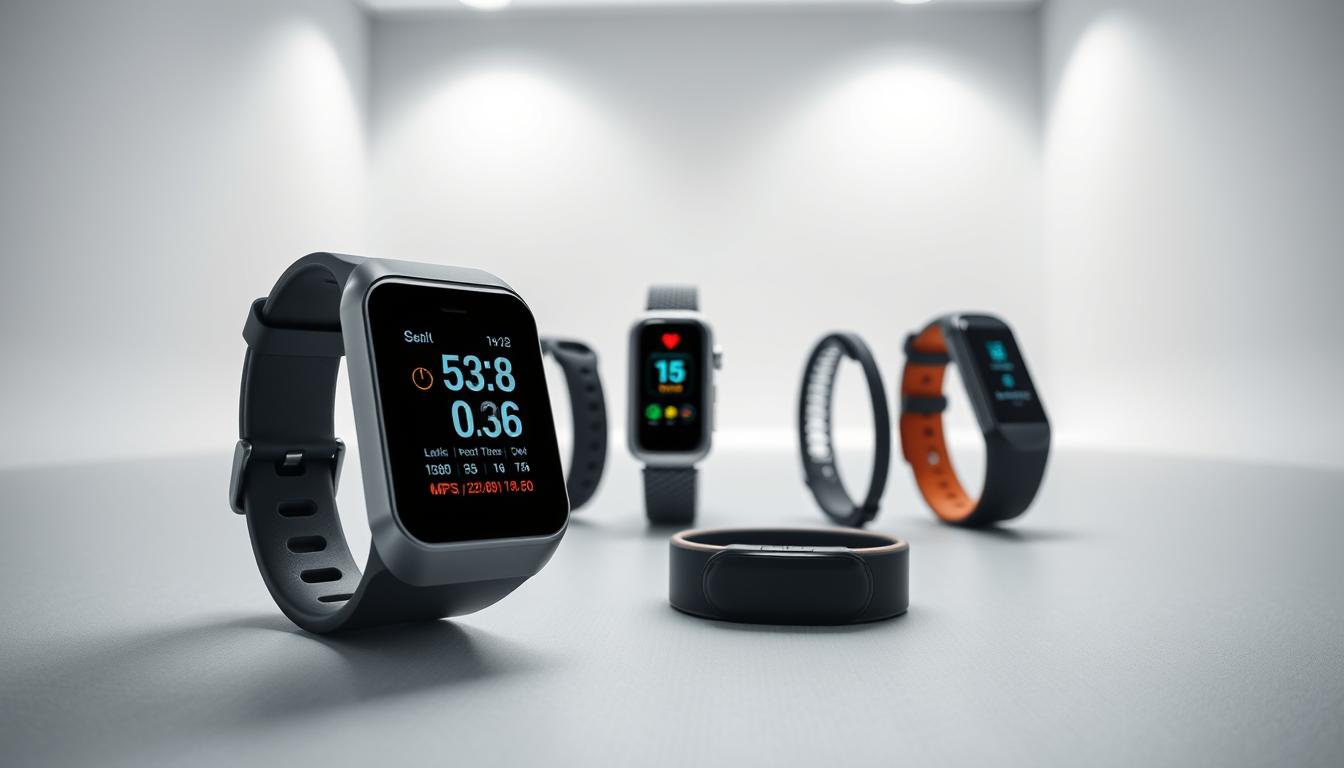
Fitness trackers, smartwatches, and specialized devices each offer unique features that cater to different fitness needs. Fitness trackers are ideal for monitoring daily activity and basic workout metrics. Smartwatches provide additional features like notification alerts and music control. Specialized devices, such as GPS running watches or heart rate monitors, offer advanced metrics specific to certain activities.
- Fitness trackers: Basic activity tracking, step count, distance traveled
- Smartwatches: Additional features like notification alerts, music control, and app integration
- Specialized devices: Advanced metrics for specific activities like running, cycling, or swimming
Must-Have Features for Different Workout Styles
Different workout styles require specific features in a wearable. For example, swimmers need waterproof devices with stroke tracking, while runners benefit from GPS-enabled wearables with pace and cadence monitoring. Identifying your primary workout activities will help you determine the must-have features in your wearable.
Finding the Best Value Within Your Budget
Wearables vary significantly in price, from affordable fitness trackers to high-end smartwatches. Setting a budget and prioritizing the features that matter most to you will help you find the best value. Consider the long-term benefits and whether the device will continue to meet your evolving fitness needs.
Wearables for Workout Tracking: Setting Up Your Device
Setting up your wearable device is easy and can make tracking your workouts better. It’s important to do it right for accurate tracking and useful data.
First-Time Configuration and Personal Profile Setup
To begin, you need to set up your wearable device with your personal info. You’ll enter your age, weight, height, and gender. Getting this right is key for accurate tracking. Most devices have an app to help you with this.
Syncing with Fitness Apps and Platforms
After setting up, connect your device to your favorite fitness apps. This lets you see your workout data in more detail. Many fitness apps work with different wearables, making it simple to track your progress.
- Find the fitness apps that work with your wearable.
- Follow the app’s instructions to sync your device.
- Learn how to use the app to view and analyze your workout data.
Ensuring Measurement Accuracy Through Calibration
Calibration is vital for accurate tracking. Some devices need you to do a specific activity or process. Check your device’s manual for how to calibrate.
By following these steps, you’ll make sure your wearable device is ready to track your workouts well.
Establishing Your Fitness Baseline with Wearable Metrics
Using wearable metrics to set a fitness baseline is key. It helps you track your progress and set goals that are within reach. Knowing your current fitness level lets you create a workout plan that fits you perfectly.
Capturing Your Current Fitness Status
Wearable devices give you insights into your fitness by tracking heart rate, steps, and calories burned. Using these metrics shows you what your body can do and what it can’t.
Defining Realistic Starting Points
With data from your wearable, you can set realistic goals for your fitness journey. This means setting milestones that match your starting fitness level.
Documenting Initial Performance Measurements
It’s important to record your first performance measurements. This way, you can see how you’re improving over time. By keeping an eye on your wearable metrics, you can tweak your workout to get better results and reach your fitness goals.
Designing Data-Driven Fitness Goals
Wearable devices help turn vague fitness dreams into clear, measurable goals. They use the data from your device to set data-driven fitness goals that match your fitness level and dreams.
Converting Aspirations into Trackable Metrics
The first step is to make your dreams into numbers you can track. For example, “I want to be healthier” becomes “walk 10,000 steps daily” or “run a 5K in under 30 minutes.” Your wearable tracks these, giving you the data to stay on track.
Implementing the SMART Framework with Wearable Data
The SMART framework helps set goals that are clear, measurable, achievable, relevant, and timely. With wearable data, your goals become even more specific. For instance, “I will increase my daily step count to 12,000 steps within the next 6 weeks” is a SMART goal your wearable can track.
Programming Goal Alerts and Milestones
To keep you motivated, setting goal alerts and milestones is key. Your wearable can remind you when you hit milestones, like finishing a tough workout or setting a new personal record. This boosts your motivation and helps you adjust your goals as needed.
Mastering Heart Rate Training Zones with Your Wearable
Unlock your workout’s full power by mastering heart rate training zones with your wearable. Heart rate monitoring lets you adjust your workout intensity. By using heart rate zones, you can make your fitness routine more effective.
Decoding Heart Rate Zones for Maximum Results
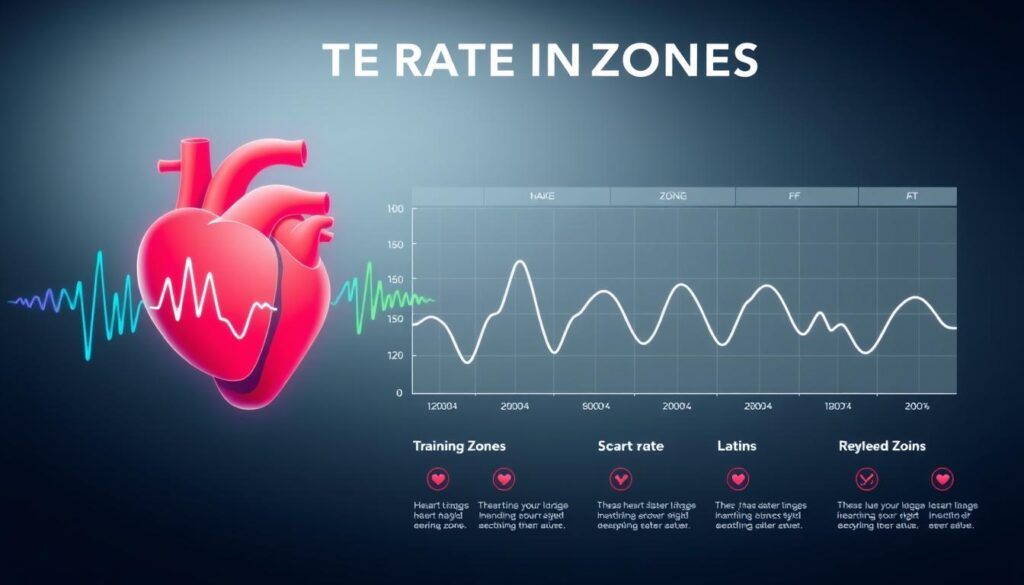
Heart rate zones are key in fitness, showing different exercise levels. They range from low (Zone 1) to maximum (Zone 5). Training in specific zones targets different fitness areas, like endurance or strength.
Zone 2 boosts your heart endurance, while Zone 4 is great for HIIT. Knowing how to use these zones is key for better workouts. For more on heart rate monitoring, check this resource.
Setting Up Custom Zone Notifications
Modern wearables let you set custom zone alerts. These alerts tell you when you’re in or out of a zone, helping you meet your workout goals. To set these up, go to your wearable’s settings and choose your zone alerts.
For example, you might want a notification when you hit Zone 3. This is useful during interval training, where keeping the right intensity is key.
Modifying Workout Intensity Based on Real-Time Feedback
Using a wearable for heart rate monitoring lets you adjust your workout intensity on the fly. By watching your heart rate, you can change your exercise intensity to stay in your target zone.
This feedback loop is super helpful for better workouts. For example, if you’re doing HIIT in Zone 4 but your heart rate is in Zone 5, you can ease up. If you’re not hitting your zone, you can push harder.
Optimizing Strength Training Through Wearable Guidance
Wearable technology lets people fine-tune their strength training like never before. It offers a lot of data to make workouts better and more efficient.
Tracking Resistance Training Metrics That Matter
Wearables track important things like reps, sets, rest times, and weight lifted. Key metrics to focus on include:
- Volume of training
- Intensity of workouts
- Rest and recovery times
By watching these metrics, athletes can understand their training better. They can make smart choices to boost their strength training.
Using Motion Sensors to Improve Form
Many wearables have motion sensors to check movement patterns. This tech helps athletes improve their form by giving feedback on their technique. Good form is key for effective workouts and avoiding injuries.
Monitoring Progressive Overload for Muscle Growth
Progressive overload is key in strength training. It means slowly increasing the weight to challenge muscles and grow them. Wearables track this by watching workout intensity and volume over time. This data can be used to:
- Adjust workout plans to ensure continuous progress
- Avoid plateaus by varying the intensity and volume of training
- Maximize muscle growth and strength gains
By using wearable guidance, athletes can make their strength training better. They can reach their fitness goals more effectively.
Revolutionizing Your Cardio Sessions with Wearable Data
Wearable devices are changing how we do cardio exercises. They give us valuable insights to improve our workouts. By using data from your wearable, you can make your exercises more effective.
Running Smarter with Pace, Cadence, and VO2 Max Insights
Runners get important metrics like pace, cadence, and VO2 max from wearables. These help you adjust your training for better results. Improving your running technique makes your workouts more efficient and safer.
Elevating Cycling Performance Through Power and Efficiency Metrics
Cyclists can track power output and efficiency with wearables. This data lets you fine-tune your training intensity and technique. It boosts your performance on any terrain.
Maximizing Aquatic Workouts with Waterproof Wearables
Waterproof wearables let swimmers and water sports fans track their workouts safely. They can monitor stroke count and heart rate. This helps in optimizing your aquatic training sessions.
Harnessing Wearable Insights for Recovery Optimization
Wearables help people optimize their recovery and boost performance. They give important data to understand what the body needs to recover.
Interpreting Recovery Scores and Readiness Indicators
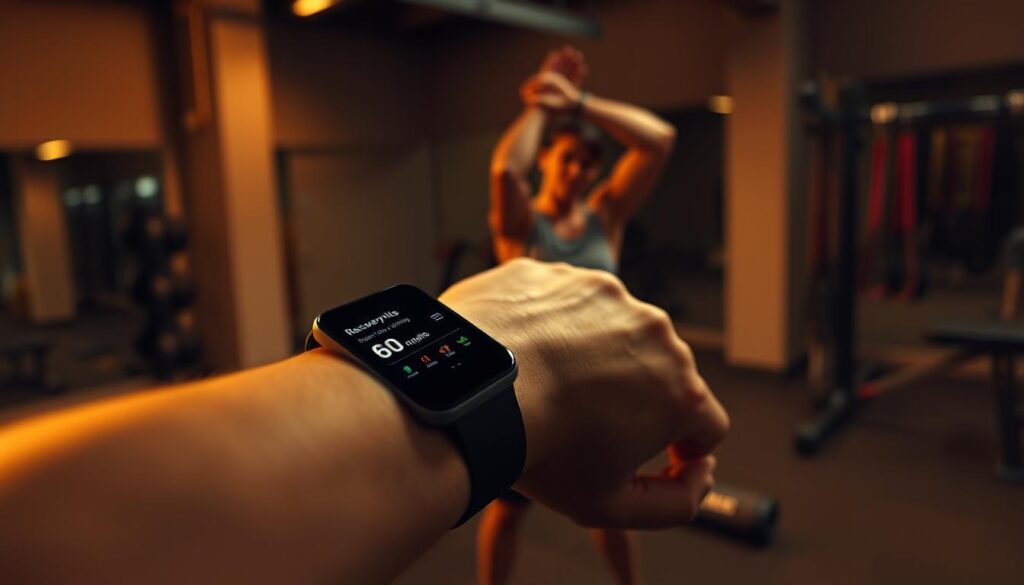
Wearables show a recovery score or readiness indicator. This score comes from heart rate variability, sleep quality, and stress markers. Understanding these scores helps adjust your training plan.
Leveraging Sleep Analytics for Enhanced Performance
Sleep is key to recovery, and wearables track sleep patterns. They show sleep stages, duration, and quality. Sleep analytics help find ways to improve sleep, ensuring you’re ready for workouts.
Creating the Perfect Balance Between Training and Rest
Finding the right balance between training and rest is essential. Wearable insights help find this balance. They show when to push hard and when to rest. Listening to your body through wearable data prevents overtraining and improves recovery.
Analyzing Workout Data for Performance Breakthroughs
Unlocking your workout’s full power starts with understanding your wearable device’s data. By analyzing this data, you get insights into your performance. This helps you optimize your training.
Identifying Meaningful Patterns in Your Fitness Data
Wearable technology tracks your workouts over time, showing your progress. By looking at trends, you can find patterns like heart rate changes or pace shifts.
Pinpointing Areas for Improvement
After spotting patterns, you can find areas to improve. For instance, if you struggle with certain exercises, adjust your plan to focus on those.
Refining Your Training Plan Based on Objective Metrics
Using your wearable’s data, you can fine-tune your training to meet your goals. This might mean changing workout intensity, adding new exercises, or adjusting recovery routines.
By analyzing your workout data, you make smart choices about your training. This helps you reach your fitness goals faster.
Solving Common Wearable Challenges During Exercise
Wearables can make workouts better, but they can also cause problems. To enjoy your wearable fully, you need to fix common issues that pop up during exercise.
Troubleshooting Accuracy and Connectivity Issues
One big problem with wearables is when they don’t track right or won’t connect. Make sure your device is linked up with your fitness app. Also, keep the sensors clean and dry. Try restarting your device or updating its software to fix connection issues.
Extending Battery Life During Long Workouts
Battery life is a big worry for wearable users, more so during long workouts. To make your battery last longer, turn off features you don’t need, like GPS or heart rate monitoring. Carry a portable charger for extra power when you’re out.
Maintaining and Updating Your Device for Peak Performance
Keeping your wearable in top shape is key. Clean it often, update its software, and check for any damage. This way, you avoid problems and keep getting accurate data from your wearable.
Elevating Your Fitness Journey with Advanced Wearable Strategies
To boost your fitness, try advanced wearable strategies. Devices like the Fitbit Charge 6 and Apple Watch Series 9 have cool features. They help you fine-tune your workouts and understand your body better.
For example, the Garmin Forerunner 265 lets you track VO2 max and training load. This way, you can adjust your exercises to match your fitness level. Also, linking your wearable to health apps can help with weight loss and fitness, as studies show. Learn more about using wearables for fitness in our guide on wearable tech and fitness goals.
Using these advanced wearables, you can reach your fitness goals faster. The trick is to stay updated, be regular, and use your wearable’s data to improve your workouts.