
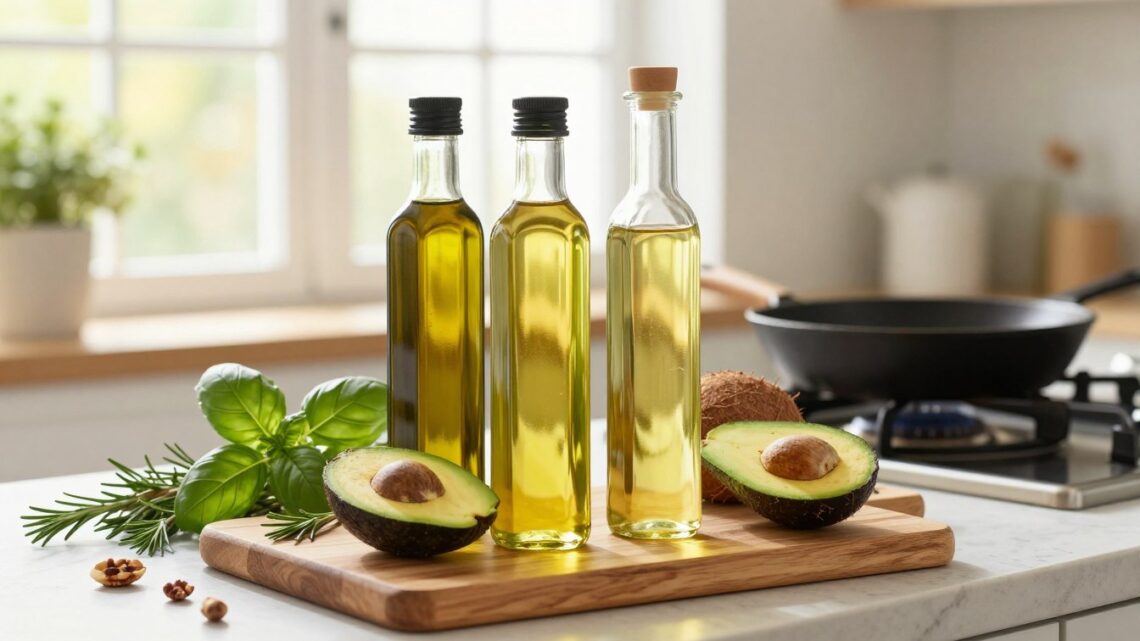
The Seed Oil Debate: What 2026 Science Really Says About Cooking Fats
June 20, 2026Shopping for groceries has gotten harder. In 2026, The Seed Oil Debate is still a big topic. Many are confused by all the different claims about what’s good for us.
Knowing about healthy cooking fats is key for better nutrition. New studies have shed light on how fats affect us. By looking at real science, we can cut through the confusion. This guide helps you pick the right foods for your health goals with complete confidence.
Understanding the Modern Context of The Seed Oil Debate
The way we think about food in America has changed a lot in the last 100 years. The Seed Oil Debate is now a big topic in health talks. For years, we were told to avoid animal fats and use vegetable oils instead. This change came from new ways to make food last longer and be cheaper.
But now, many people are doubting these old rules. More health problems have made us look closely at how food is made. It’s not just about taste; it’s about how these oils affect our bodies. You can learn more about The Seed Oil Debate and its health effects.
Traditional fats like butter and lard used to be key in American cooking. Now, we face a mix of old and new fats. A nutrition expert said:
“The most important step in reclaiming your health is understanding the difference between fats that have been part of human history for millennia and those that were created in a laboratory within the last hundred years.”
Let’s look at how different fats are made and how they last:
| Fat Type | Processing Level | Historical Use | Stability |
|---|---|---|---|
| Tallow | Minimal | High | Excellent |
| Butter | Minimal | High | Good |
| Canola Oil | High | Low | Low |
| Soybean Oil | High | Low | Low |
The Seed Oil Debate is making us think more about what we eat. Learning about our food’s history helps us make better choices. This knowledge is key to creating a kitchen that focuses on health, not just convenience.
Step 1: Evaluating Your Current Kitchen Oil Inventory
Starting a healthier cooking journey begins with checking your kitchen. First, you need to know what oils you use. This step helps you get rid of unhealthy options.
Identifying Common Industrial Seed Oils
Many kitchens have processed fats that are common in American cooking. Look for soybean, canola, corn, cottonseed, or sunflower oil. These industrial seed oils are often made with high heat and chemicals, losing nutrients.
Be sure to read labels for blends or vegetable oil mixtures. These often have cheap, mass-produced fats. Reading labels is key to taking control of your kitchen.
Checking for Signs of Oxidation and Rancidity
After finding your oils, check their quality. Fats can go bad when exposed to light, heat, or oxygen. This process, called oil oxidation, can make fats harmful.
To check if your oil is good, do a simple smell test. Fresh oil should smell neutral or pleasant. But rancid oils smell sharp, metallic, or like old crayons or paint. If it’s cloudy or darker than before, it’s time to throw it away.
Trust your senses when checking your oils. If you see signs of spoilage, replace it. Keeping your fats fresh is crucial for your food’s taste and your health.
Step 2: Decoding the Science of Fatty Acid Profiles
Understanding the molecular structure of oils is like a simple science experiment. It helps you make better food choices. Knowing how fats work lets you pick ingredients that meet your physiological needs.
The Role of Omega-6 and Omega-3 Ratios
Today’s diets often have too much omega-6 fatty acids. Your body needs these fats, but the right balance is key for health. Too much omega-6 can cause inflammation.
It’s wise to balance your diet. Diversify your pantry and choose oils carefully. Small changes in cooking can make a big difference in how you feel.
Understanding Saturated versus Unsaturated Fats
The main difference between these fats is their chemical bonds. Saturated fats are stable and good for high-heat cooking. They’re reliable for searing or roasting.
Unsaturated fats are more flexible but can spoil easily when heated or exposed to light. They’re vital for health but best used in low-heat cooking or as finishing oils.
Step 3: Selecting Oils Based on Smoke Points and Stability
Learning about heat stability can transform your cooking. Knowing the unique traits of fats lets you cook with confidence. The right fat choice depends on the smoke point, which shows how an oil handles high heat.
High-Heat Cooking Requirements
For searing steaks or stir-frying veggies, you need a fat that can handle high temperatures. If you go past the smoke point of oils, the fat breaks down. This can release harmful compounds into your food and air.
Stability is your best friend in the kitchen. Choosing oils that can handle high heat keeps your cooking clean and safe. Always check the label to make sure your fat is good for the temperature you’re aiming for.
Low-Heat and Finishing Oil Applications
Not all dishes need high heat. For gentle cooking like sautéing or making a light dressing, focus on flavor and nutrients. These oils have a lower smoke point, making them great for finishing dishes just before serving.
Using delicate oils as a finishing touch lets you enjoy their natural flavors without losing their benefits. Cold-pressed options are especially good for this, as they keep the vibrant qualities of their ingredients. By choosing the right oil for your cooking method, you can greatly improve your home cooking.
Step 4: Prioritizing Minimally Processed Options
Choosing minimally processed fats is key to better meals. These fats are cleaner and packed with nutrients. By picking oils with less industrial touch, you keep the plant’s natural goodness.
Cold-pressed versus Refined Extraction Methods
The way oils are made affects their quality. Cold-pressed oils are made without heat or chemicals. This keeps the plant’s nutrients and flavors safe.
Refined oils, however, are made with heat and chemicals. This can remove good stuff and add bad stuff. Cold-pressed oils give you all the nutrients nature intended.
The Importance of Organic and Non-GMO Certification
The source of your ingredients is crucial. Non-GMO oils mean no genetically modified crops or synthetic pesticides. These labels help you choose safe and transparent food.
Choosing high-quality ingredients has many benefits:
- Higher antioxidant content for better health.
- Less synthetic chemicals.
- Better taste in your cooking.
- Support for eco-friendly farming.
Switching to organic and non-GMO is essential for a healthy kitchen. It lets you trust the food you make for yourself and your family every day.
Step 5: Incorporating Traditional Fats into Your Diet
Many home cooks are going back to using animal-based fats. This move away from processed fats brings ancestral wisdom into our kitchens. These fats add a unique flavor that modern fats can’t match.
Benefits of Grass-Fed Butter and Ghee
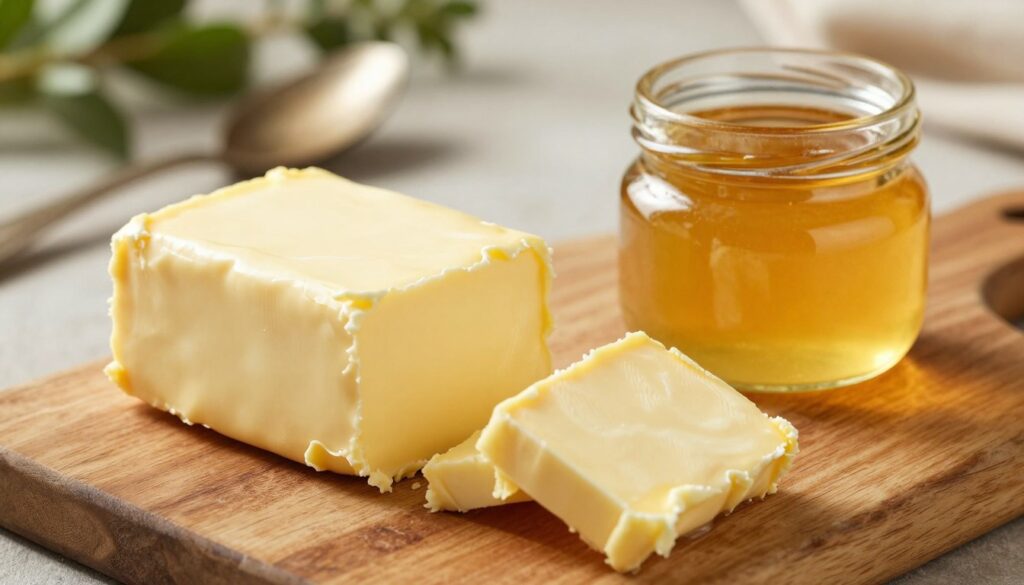
Grass-fed butter is loved for its creamy taste and health benefits. It has more fat-soluble vitamins than regular butter. It’s great for cooking veggies or finishing dishes.
Ghee is good for those who want a fat that doesn’t burn easily. It’s butter without milk solids, making it stable for high heat. It adds a nutty flavor without burning.
Using Tallow and Lard for Flavor and Stability
Rendered animal fats like tallow and lard are perfect for high heat. They’re saturated fats that don’t burn easily. They’re great for roasting potatoes or searing meats.
These fats also add a rich flavor to your dishes. Using saturated fats like lard or tallow makes cooking more balanced and flavorful. It’s a reliable way to enhance your recipes.
Step 6: Navigating Plant-Based Alternatives Safely
Exploring cooking oils can be daunting, but focusing on quality plant-based options makes it easier. Choosing nutrient-dense fats supports your health goals. For avoiding seed oils, start with these two essentials for your kitchen.
The Case for Extra Virgin Olive Oil
Extra virgin olive oil is known for its good fats and antioxidants. It’s a key part of the Mediterranean diet, which is good for your heart. Opt for a high-quality, cold-pressed version to get the most health benefits.
This oil is best for raw uses or low-heat cooking. Use it on salads, in dressings, or on finished dishes for a unique flavor. It’s a great choice for taste and health in your meals.
Why Avocado Oil Remains a Kitchen Staple
For recipes that need high heat, avocado oil is a top pick. It has a high smoke point, perfect for searing, roasting, or sautéing. This means it won’t break down into harmful stuff.
It also tastes neutral, fitting well in both savory and sweet dishes. This lets your ingredients’ natural flavors stand out. Having avocado oil in your kitchen means you have a reliable option for both high heat and healthy eating.
Step 7: Storing Your Cooking Fats to Prevent Degradation
Did you know how much your cooking oils’ life span depends on storage? Many cooks store their oils next to the stove, exposing them to heat and light. Simple changes can keep your fats fresh and healthy for longer.
Light and Temperature Control Strategies
Heat and light harm high-quality oils. By using kitchen storage tips, you protect your fats. Store oils in a cool, dark place, away from the oven or sunlight.
If oils are in clear glass, move them to dark containers or keep them in boxes. Consistency is key for temperature. Avoid windows or heat-generating appliances.
Proper Sealing Techniques for Longevity
Air exposure causes oil oxidation. Once opened, oxygen breaks down fatty acids, leading to off-flavors and lost nutrients. Always tighten the cap after use to reduce air inside.
For large oil containers, use a secondary dispenser for daily use. This keeps the main supply sealed and protected from air. These steps help keep your fats quality high and save money over time.
- Keep oils in a dark pantry or cabinet.
- Avoid storing bottles on the stovetop.
- Wipe the bottle rim clean to ensure a tight seal.
- Use smaller dispensers for everyday cooking.
| Storage Factor | Best Practice | Why it Matters |
|---|---|---|
| Light | Dark cupboard | Prevents photo-oxidation |
| Temperature | Below 70°F | Slows chemical breakdown |
| Air | Tight seal | Reduces rancidity risk |
Step 8: Adjusting Your Cooking Techniques for Health
Making small changes in your cooking can greatly improve your health. Paying attention to your cooking techniques helps keep your food fresh and healthy. These simple steps make your kitchen a healthier place every day.
Reducing Deep Frying Frequency
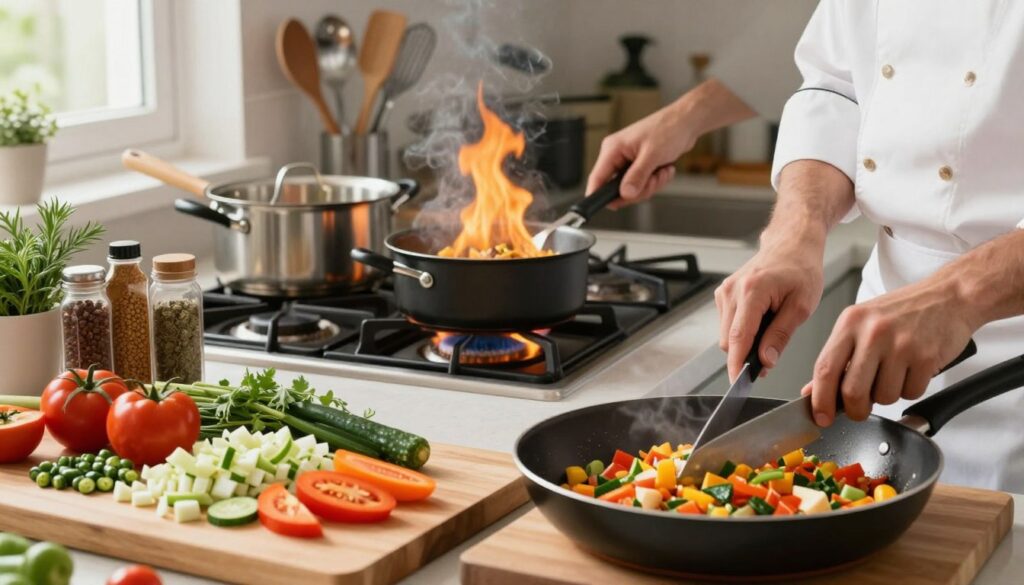
Deep frying is common, but it can be unhealthy. It heats oils too hot for too long, leading to bad fats and harmful compounds. Reducing deep-fried meals helps avoid these unhealthy substances.
Try not to reuse oil for frying. Reheated oil loses its good qualities and taste. Instead, use pan-searing or oven-roasting with less oil at lower heat.
Embracing Steaming and Poaching Methods
Steaming and poaching are great alternatives to heavy oil. They use water or broth to cook food gently. This method keeps nutrients in your food.
Poaching is perfect for delicate foods like fish or chicken. It cooks them gently without using fat. Adding these cooking techniques to your meals makes you feel better and more energetic.
| Cooking Method | Primary Medium | Heat Level | Health Impact |
|---|---|---|---|
| Deep Frying | Large amount of oil | Very High | High oxidation risk |
| Pan Searing | Small amount of oil | Medium-High | Moderate control |
| Steaming | Water vapor | Low-Medium | Nutrient retention |
| Poaching | Broth or water | Low | Excellent for digestion |
Learning different cooking techniques lets you control your health. You don’t have to give up taste to eat healthy. By mixing your methods, you make cooking at home both healthy and tasty.
Step 9: Reading Labels Like a Nutrition Expert
Learning to read nutrition labels is key to avoiding hidden ingredients in cooking oils. Many people just look at calories, but the real quality of oil comes from how it’s processed and what’s added. By looking beyond the front of the bottle, you can make choices that support your health goals.
If you want to get better at reading labels, start with your pantry. You should learn to read supplement labels to avoid scams. This same careful approach should be used for every oil you buy.
Spotting Hidden Additives and Preservatives
Manufacturers add things to oils to make them last longer or prevent foaming when cooking hot. Look for ingredients like BHA (butylated hydroxyanisole) or BHT (butylated hydroxytoluene). These are synthetic preservatives that stop oxidation, but many people choose to avoid them.
Check the ingredient list for “anti-foaming agents” like dimethylpolysiloxane. Even though they’re safe, they mean the oil is highly processed. A good oil should just say “100% cold-pressed avocado oil.”
Interpreting Marketing Claims on Oil Bottles
Marketing on the front of bottles is meant to grab your attention, not help you make healthy choices. Terms like “heart-healthy” or “all-natural” might not mean what you think. Always flip the bottle over to see the nutrition labels for the real fatty acid profile and extraction method.
The table below helps you understand marketing buzzwords and what’s really in the bottle:
| Marketing Claim | What It Often Means | What to Look For |
|---|---|---|
| Light or Extra Light | Highly refined and bleached | Cold-pressed or virgin |
| Heart-Healthy | Contains polyunsaturated fats | High monounsaturated content |
| Natural | No legal definition | Organic certification |
| Pure | Refined oil blend | Single-source extraction |
By ignoring the flashy front labels and focusing on the facts, you take control of your kitchen. Discerning shoppers know the most important info is in the small text. Use these tips to shop with confidence and clarity.
Step 10: Balancing Your Overall Dietary Fat Intake
Getting a healthy dietary fat balance is more than just the oil you use. It’s about changing how you see your meals and the quality of what you eat every day. By looking at the big picture, you can make sure your body gets the right fuel to do well.
Focusing on Whole Food Sources of Fat
The best way to get healthier is to eat whole food sources of fat. Foods like raw nuts, seeds, and fresh avocados give you essential fatty acids and good fiber and nutrients. These foods are natural and your body knows how to use them well.
Choosing these whole foods means you avoid bad options. Adding walnuts or avocado to your meals makes you feel full and tastes great without needing to process it. This simple change helps keep your dietary fat balance steady all week.
Avoiding Ultra-Processed Foods Containing Seed Oils
Many people eat a lot of industrial seed oils without knowing it, from packaged snacks to convenience meals. These ultra-processed foods are made to last long, not to be healthy. The best way to avoid them is to read labels carefully.
By eating less of highly refined products, you cut down on bad fats. Cooking meals at home lets you control what you eat. This is key for staying healthy and keeping your metabolism working well.
| Source Type | Primary Benefit | Processing Level |
|---|---|---|
| Avocados | High Fiber & Monounsaturated Fats | Minimal |
| Raw Walnuts | Omega-3 Fatty Acids | Minimal |
| Commercial Chips | High Industrial Seed Oils | Ultra-Processed |
| Frozen Dinners | Hidden Preservatives | Ultra-Processed |
Final Thoughts on Building a Sustainable Kitchen Strategy
Creating a kitchen that focuses on long-term wellness means changing how you see your pantry staples. You now know how to pick healthy cooking fats that fit your nutrition goals.
Being consistent is key in this change. Making small changes in your daily routine can greatly improve your metabolic health. Brands like Primal Kitchen or Vital Farms offer great options to help you.
Your path to better nutrition is about always being open to new products. Keep finding ways to add healthy cooking fats to your favorite dishes. This way, your meals stay tasty and good for your body.
Share your journey with friends or family who want to eat better. Building a community around healthy food choices makes it more fun. Your dedication to quality ingredients inspires everyone at your table.