
Social Media Fitness Challenges Worth Trying (and Avoiding)
May 9, 2026In recent years, fitness challenges have become very popular. Many people join different workout routines to stay motivated and engaged.
These challenges are often shared on online platforms. They help people connect with others who have similar fitness goals. This creates a sense of community around fitness.
But, not all fitness challenges are good for everyone. Some are more helpful than others. In this article, we will look at different fitness challenges. We’ll talk about how they affect motivation and community building. This will help you figure out which ones are worth trying and which to skip.
The Rise of Social Media Fitness Challenges
Social media has led to a new trend: fitness challenges that motivate people to try harder. Sites like Instagram, TikTok, and Twitter are where people share their fitness stories. This inspires others to join in.
How Fitness Went Viral
Fitness challenges have quickly spread across social media. It’s easy to share workouts, progress photos, and quotes. This has attracted millions of people worldwide.
The visual nature of Instagram and TikTok, hashtags, and fitness stars play big roles. They make challenges easy to find and follow.
- The visual appeal of before-and-after photos and workout videos.
- The use of hashtags to categorize and make content discoverable.
- The influence of fitness influencers and celebrities.
The Psychology Behind Challenge Participation
People are more likely to exercise when they feel part of a group or have a goal. Fitness challenges offer both, making it easier to stay on track. Participants are driven by their fitness goals and the support from others.
Key reasons for joining challenges include:
- The desire for community and social support.
- The need for motivation and accountability.
- The goal-oriented nature of challenges, which helps individuals stay focused on their fitness objectives.
How to Evaluate a Fitness Challenge Before Joining
Not all fitness challenges are the same. It’s important to check their safety, if they match your fitness goals, and how much time they need. Before joining, make sure you understand these key points.
Safety Considerations
Always talk to a doctor before starting a new exercise or diet plan, especially if you have health issues. Make sure the challenge teaches you how to do exercises right to avoid injuries. Be careful of challenges that promise quick weight loss or seem too easy.
Alignment with Personal Fitness Goals
A good fitness challenge should match your fitness goals, like losing weight or getting stronger. Think about what you want to achieve and if the challenge fits your needs. Be careful of programs that don’t consider your unique situation.
Time Commitment Required
Knowing how much time a fitness challenge needs is key to sticking with it. Some challenges require a lot of time, which might be hard if you’re busy. Make sure the challenge’s demands fit your schedule and lifestyle.
Popular Social Media Fitness Challenges Worth Trying
Social media has brought many fitness challenges to the forefront. These challenges help people stay fit and build a community. Here are some top social media fitness challenges to try.
30-Day Plank Challenge
The 30-Day Plank Challenge boosts core strength and stability. Holding a plank for longer each day for 30 days strengthens the core. It’s great for better posture and less back pain.
75 Hard Challenge
The 75 Hard Challenge is tough. It involves working out twice a day for 75 days, with one session outside. You also track diet, reading, and water intake. It’s perfect for those wanting a tough fitness and mental challenge.
Couch to 5K Challenge
The Couch to 5K Challenge is for beginners. It starts with walking and builds up to running a 5K. It’s a good way to start running and boost heart health.
Push-Up Progression Challenge
The Push-Up Progression Challenge aims to increase push-up numbers or types. It’s great for upper body strength and fitness. For more ideas, check out popular TikTok video trends to spice up your fitness journey.
These challenges cater to all fitness levels. Whether you’re new to fitness or already advanced, there’s a challenge for you.
Step-by-Step Guide to Participating in Fitness Challenges
Starting a fitness challenge needs more than just excitement; it requires a plan. Being well-prepared is key to getting the most out of it and staying safe.
Setting Up Your Challenge Timeline
First, set a realistic timeline for your challenge. Know how long it will last and how it fits into your life. Make a schedule for workouts and other activities to ensure you have enough time. A good plan helps you stay on track and reach your goals.
Tracking Progress Effectively
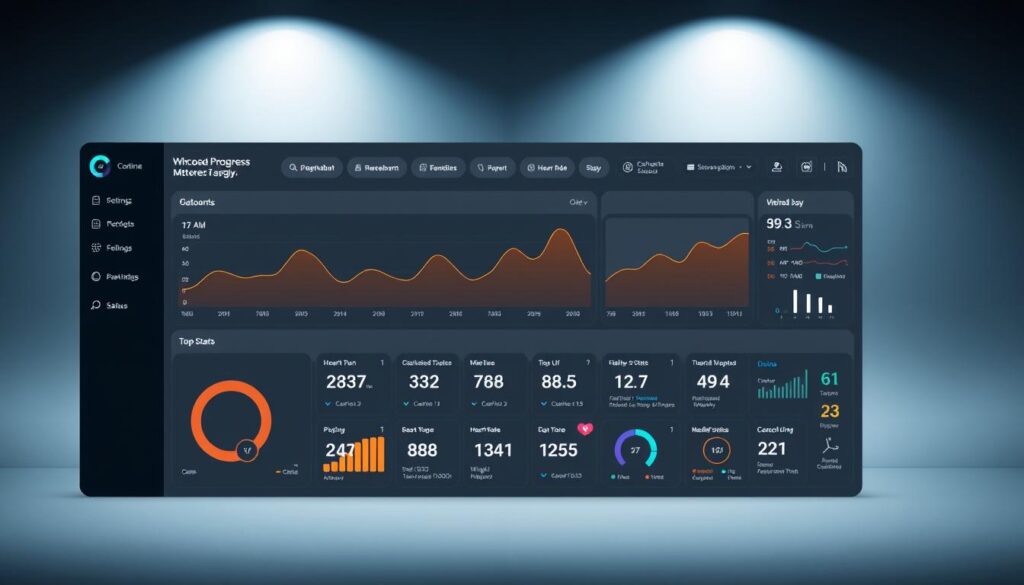
Keeping track of your progress is crucial to stay motivated. Use a fitness journal or a mobile app to record your workouts and measurements. Tracking your progress helps you see what’s working and what needs improvement, so you can make changes on time.
Sharing Results Responsibly
When you share your fitness journey on social media, do it wisely. Don’t compare yourself to others; focus on your own journey. Share your successes and challenges to inspire and support others. The goal is to uplift and be uplifted, not to set unrealistic standards.
By following these steps, you can make the most of fitness challenges. You’ll reach your goals and keep your online presence positive and responsible.
Fitness Challenges to Approach with Caution
Fitness challenges on social media can be both motivating and risky. They can push people to start or keep up with exercise. But, some challenges might lead to unhealthy habits or injuries if not done right.
Extreme Weight Loss Challenges
Extreme weight loss challenges promise fast results but can harm your health. They might suggest very strict diets or too much exercise. This can cause nutrient shortages, tiredness, and other health problems. It’s important to focus on lasting weight loss methods, not quick fixes.
High-Intensity Challenges for Beginners
High-intensity challenges can be too much for newbies. Without the right training or advice, they might get hurt or get too tired. It’s important for beginners to start with easier workouts and slowly get harder to avoid too much strain.
One-Size-Fits-All Programs
One-size-fits-all fitness plans don’t consider everyone’s fitness level, goals, or health. These plans might not work or could even be dangerous if they don’t fit your needs. Creating a fitness plan that fits your unique needs is the best way to succeed and stay safe.
In conclusion, while fitness challenges can be motivating, it’s important to be careful with some. Knowing the risks of extreme weight loss, high-intensity challenges for beginners, and one-size-fits-all plans helps make better choices for your fitness journey.
Red Flags: Social Media Fitness Challenges to Avoid Completely
Some social media fitness challenges can harm more than help. While many encourage healthy habits and community, others can cause injury, eating disorders, or financial problems. It’s key to carefully check challenges before joining.
Challenges Promoting Disordered Eating
Challenges pushing for extreme dieting or too much exercise can lead to eating disorders. A study in the Journal of Eating Disorders shows these challenges can harm both mind and body. Avoid challenges that push for quick weight loss or unrealistic body goals.
“The culture of fitness challenges can sometimes blur the line between healthy competition and harmful behavior.” – Dr. Emily, a registered dietitian.
Challenges Without Proper Form Guidance
Without the right form guidance, people can get hurt. Challenges lacking clear instructions or options for different fitness levels are risky. Choose challenges that offer tutorials or links to reliable resources on proper exercise form.
Challenges Requiring Expensive Products or Supplements
Some challenges ask for expensive products or supplements, which can be a waste of money. Be cautious of challenges that seem more like marketing than real fitness efforts.
When taking part in social media fitness challenges, knowing these red flags is crucial. By picking challenges carefully, you can steer clear of problems and enjoy a healthy fitness journey.
Creating Your Own Social Media Fitness Challenge
Creating your own fitness challenge lets you tailor it to your goals. It encourages others to do the same. This way, you can work on specific areas like endurance, strength, or flexibility.
Defining Clear, Achievable Goals
The first step is to set clear, achievable goals. Identify what you want to achieve and set specific targets. For example, aim to do a certain number of workouts or reach a new personal best.
Clear goals keep you motivated and focused.
Building in Accountability Measures
Accountability is key in any fitness challenge. To keep people engaged, add regular check-ins, progress tracking, or a community forum. These strategies build camaraderie and motivate participants.
Promoting Safely to Your Network
When promoting your challenge on social media, do it safely. Avoid making promises that are too hard to keep. Instead, create a supportive space where everyone can challenge themselves at their own pace.
How to Modify Popular Challenges for Your Fitness Level
It’s key to adjust popular fitness challenges to fit your fitness level for a safe and effective workout. Whether you’re just starting out or are an advanced athlete, making changes can help you reach your goals.
Beginner Adaptations
If you’re new to fitness or coming back after a break, it’s important to start with easier modifications.
- Reduce the intensity: Lower the number of repetitions or sets.
- Change the exercise: Swap high-impact exercises for lower-impact alternatives.
- Increase rest time: Allow more time to recover between exercises.
For instance, in a running challenge, beginners can start with walking or jogging intervals instead of running full distances.
Intermediate Variations
Once you’ve built a solid base, intermediate variations can help you move forward.
- Increase the intensity: Gradually add more repetitions, sets, or reduce rest time.
- Introduce new exercises: Add variety to your workout by incorporating different exercises that target the same muscle groups.
- Incorporate strength training: Add weight or resistance to your workouts.
Advanced Progressions
For advanced athletes, progressions can include:
- High-intensity interval training (HIIT): Alternate between high-intensity exercises and short rest periods.
- Plyometric exercises: Incorporate explosive movements to increase power.
- Complex movements: Combine multiple exercises into a single movement.
By modifying challenges to fit your fitness level, you can ensure a safe and effective workout that helps you achieve your goals.
Documenting Your Journey on Social Media
Sharing your fitness journey on social media can help you track your progress. It also keeps you motivated. By posting your experiences, you connect with others who share your fitness goals. This creates a sense of community and accountability.
Choosing the Right Platform
Think about where you’re most active and where your audience is. Instagram and Facebook are great for fitness enthusiasts. They offer features like stories, reels, and groups to make your content better.
Creating Engaging Content
Keep your audience interested by posting different types of content. Share workout videos, progress photos, and stories about your journey. Using hashtags related to your niche can also help you get more views.
Handling Feedback and Comments
You’ll get feedback and comments from your followers. It’s important to handle both kinds well. Reply to comments to build a loyal community around your content.
By following these tips, you can share your fitness journey on social media effectively. You’ll create a supportive network and stay motivated throughout your challenge.
Real Success Stories from Social Media Fitness Challenges
Social media fitness challenges have changed lives in big ways. They help people not just get fit but also improve their overall well-being.
Transformation Beyond Physical Changes
People who join these challenges often see big changes in their lives. A study showed that those in a 30-day challenge felt better mentally and had more self-confidence. One person said, ”
It’s not just about the physical changes; it’s about the mental toughness I’ve developed.
”
Long-Term Habit Adoption
One great thing about these challenges is they help people keep up good habits. By exercising and eating well every day, they stay on track long after the challenge is over. Accountability plays a big role in this, thanks to the community support.
Community Building Benefits
The community part of these challenges is key to their success. People connect with others who want the same things, creating a supportive space. As shown in the image below, they come together to share their experiences and support each other.
Benefits of community building in fitness challenges include:
- Increased motivation through shared goals
- Support from peers who understand the challenges
- A sense of belonging to a larger community
By using social media fitness challenges, people can make lasting changes in their lives.
Taking Fitness Beyond the Challenge: Building Sustainable Habits
Finishing a fitness challenge is a big win, but the real challenge starts after. To keep fit for good, it’s key to build habits that last beyond the challenge.
Keeping up the pace is vital for a healthy life. This means setting new goals, tracking your progress, and staying motivated. Adding physical activity to your daily life helps make fitness a lasting part of who you are.
Fitness challenges are a great kickstart, but they’re just the beginning. Focusing on lasting habits like regular exercise and healthy eating leads to better health and well-being.
The secret to lasting fitness is making healthy habits a daily routine. This way, you keep moving forward towards your fitness goals, even after the challenge is over.